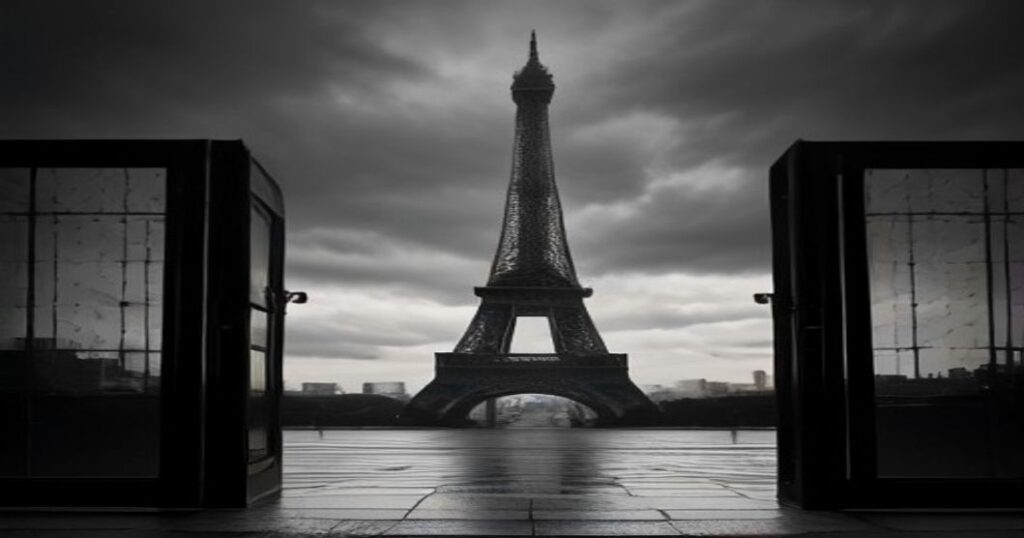
Paris is empty, or at least its crown jewel is locked shut. The Eiffel Tower—the ultimate global symbol of romance and tourism—has unexpectedly closed its gates, leaving thousands of furious ticket-holders stranded outside the security fence. This isn’t a routine drill or a scheduled maintenance slip; it is a high-stakes labor standoff that has sent shockwaves through the global travel industry.
As search engines spike with frantic travelers asking why the monument has gone dark, the reality behind the barricades reveals a deep-seated crisis. From labor union battles to warnings of structural decay, the closure is a wake-up call for modern tourism. Here is the editorial breakdown of why Paris’s iron giant has gone cold and what it means for the future of travel.
1. The Union Standoff and Financial Mismanagement
The Catalyst: The sudden closure is driven by a massive strike organized by the CGT and FO unions, protesting the financial model of SETE (Société d’Exploitation de la Tour Eiffel). Workers argue that the city of Paris is drastically underestimating maintenance costs while overestimating future ticket revenues, putting the monument at risk of severe structural neglect in the pursuit of municipal profits.
The Numbers: The city of Paris, which owns 99% of SETE, has recently increased its annual royalty fee demand from €16 million to a staggering €50 million, squeezing the operational budget needed for critical repairs.
2. Rust, Rot, and the Battle for Restoration
The Catalyst: Beyond the financial ledger, workers are sounding the alarm on physical decay. The Eiffel Tower requires a constant cycle of repainting to prevent rust from destroying the iron structure. However, the current 20th painting campaign has faced massive delays and cost overruns due to lead dust contamination, leaving large sections exposed to the elements.
The Numbers: Gustave Eiffel famously stated that painting the tower is the only guarantee of its preservation; yet, reports indicate only a fraction of the tower has been properly stripped and recoated, threatening its long-term structural integrity.
3. The Tourism Backlash and Overtourism Dilemma
The Catalyst: With thousands of visitors turned away daily, the economic ripple effect is hitting Parisian hospitality hard. The sudden closure highlights a growing tension between historic preservation and the relentless demands of global mass tourism, leaving travelers to wonder if the “City of Light” can sustain its own popularity.
The Numbers: The Eiffel Tower attracts nearly 7 million visitors annually, meaning a multi-day strike results in millions of euros in lost ticket sales and devastating PR hits during peak travel seasons.
| Metric | Current Figure | Impact / Proposed Change |
|---|---|---|
| Annual Visitors | 7,000,000 | Massive ticketing disruption globally |
| City Royalty Fee | €16 Million/year | Proposed increase to €50 Million/year |
| Estimated Daily Loss | ~€150,000 | Direct hit to local tourism economy |
| Strike Duration Goal | Indefinite | Until financial restructuring is renegotiated |
🧠 Brain Check
Should historic landmarks like the Eiffel Tower be run as profit-generating engines for municipal budgets, or should they be treated strictly as non-profit cultural trusts to protect workers and structural integrity?