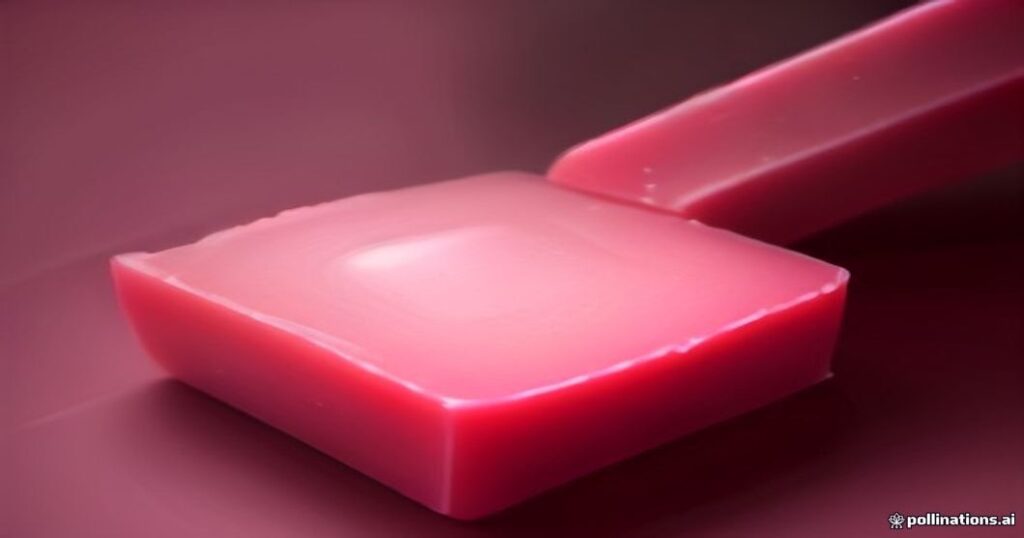
A humble, pastel bar of soap is currently outperforming Silicon Valley’s latest gadgets and Hollywood’s biggest blockbusters on global search trends. Across TikTok, Instagram, and YouTube, the simple Spanish word “jabón” has exploded into a viral sensation, hypnotizing tens of millions of users who are suddenly obsessed with soap-cutting ASMR, vintage skincare hacks, and the unexpected return of century-old household staples.
What started as a niche cleaning subculture has mutated into a high-stakes cultural movement, turning mundane hygiene into a multi-billion-dollar aesthetic economy. As legacy beauty giants scramble to defend their market share against dirt-cheap traditional bars, the internet is proving that the next great disruptor isn’t a complex algorithm—it’s a raw, unpackaged block of soap.
1. The Rise of the Retro Beauty Hack
Traditional, budget-friendly soaps designed for laundry have unexpectedly bypassed their original purpose to become the internet’s ultimate beauty holy grail. Leading this charge is Mexico’s legendary Jabón Zote, which has been thrust into the international spotlight by Gen Z skincare and makeup enthusiasts.
The Backstory: Originally formulated in 1970 by Fábrica de Jabón La Corona as a heavy-duty laundry soap, the bar’s high alkalinity and minimal ingredient list made it a domestic workhorse for generations. Its low price point kept it quietly tucked away in utility closets for decades.
The Reception: Today, top-tier beauty influencers are using Jabón Zote as a deep-cleansing agent for expensive makeup brushes and even as a direct treatment for acne. The transition has driven hundreds of millions of views, causing sudden retail shortages and forcing beauty empires to rethink their premium, liquid-heavy product lines.
2. The ASMR and Visual Economy
The global attention economy operates on sensory stimulation, and “jabón” has become its absolute goldmine. The hypnotic art of soap carving and soap crushing has evolved from a satisfying internet quirk into a mainstream mental health and relaxation genre.
The Backstory: Soap cutting emerged on social media as an offshoot of the broader Autonomous Sensory Meridian Response (ASMR) movement, where creators slice, grate, and crush crisp, cured bars of soap directly into microphones to trigger deeply satisfying auditory responses.
The Reception: Major content networks have turned these simple acts of destruction into highly monetized content hubs. Independent artisans are now manufacturing highly aesthetic, brightly colored, multi-layered soaps specifically designed to be destroyed on camera, creating an entirely new, self-consuming luxury market.
3. The Zero-Waste Eco-Backlash
Beneath the satisfying visuals and beauty hacks lies a deeper consumer rebellion against modern packaging waste. Liquid body washes and synthetic cleansers, packaged in single-use plastics, are rapidly losing their appeal among climate-conscious Gen Z and Millennial buyers.
The Backstory: The massive post-pandemic shift toward zero-waste living has forced consumers to re-evaluate the environmental footprint of their daily showers. Solid soap, or “jabón en barra,” represents a return to minimalist, plastic-free packaging that aligns with sustainable lifestyle goals.
The Reception: Established beauty brands are rushing to “solidify” their formulas, repackaging liquid face washes into solid bar soaps to tap into this eco-luxe trend. However, consumers are increasingly rejecting these expensive corporate pivots in favor of authentic, raw, and local artisan brands.
| Viral Trend Segment | Primary Platform | Est. Monthly Views / Impact | Target Demographic Focus |
|---|---|---|---|
| Jabón Zote Beauty Hack | TikTok / Instagram | 500M+ Views | Gen Z Skincare & Makeup |
| Soap Carving ASMR | YouTube / TikTok | 10B+ Total Views | Stress Relief / Wellness |
| Zero-Waste Solid Bars | Pinterest / Retail | +45% YoY Sales Growth | Eco-Conscious Millennials |
🧠 Brain Check
Is the sudden viral renaissance of traditional “jabón” a genuine consumer awakening toward sustainable, budget-friendly living, or is it just another hyper-stylized social media trend that will leave behind a trail of abandoned bathroom aesthetics once the algorithm finds its next obsession?