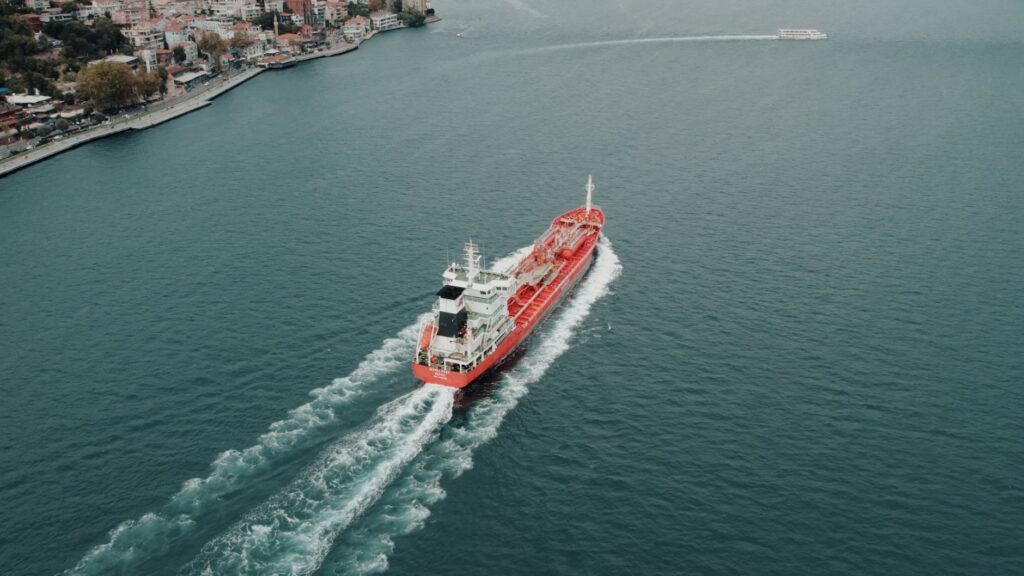
The world’s most critical maritime chokepoint is flashing red, and global markets are reacting in real-time. As internet searches for the “Strait of Hormuz” spike exponentially, energy traders, geopolitical analysts, and everyday consumers are bracing for impact as escalating tensions threaten to disrupt the delicate flow of global oil.
This isn’t just a regional security issue; it is a direct threat to the global economy’s jugular vein. With more than one-fifth of the world’s petroleum passing through this narrow waterway daily, even a minor operational disruption can trigger an immediate domino effect on inflation, interest rates, and consumer pump prices worldwide.
1. The Geopolitical Bottleneck
The Catalyst: Rising military readiness and maritime threats in the Middle East have put international shipping lanes directly in the line of fire. As naval patrols step up presence, shipping conglomerates are weighing the immense risks of routing their multi-million-dollar cargo through a 21-mile-wide passage flanked by highly volatile territories.
The Numbers: An estimated 20.5 million barrels of crude oil and condensate pass through the strait every single day, representing roughly 30% of all seaborne-traded oil globally. Unlike other trade routes, there are virtually no viable overland pipeline alternatives capable of handling this volume.
2. The Crude Oil Price Premium
The Catalyst: Energy traders are scrambling to price in a heavy “geopolitical risk premium” to Brent and WTI crude futures. Speculative buying is surging as the market anticipates potential supply blockades or active military engagement near key shipping terminals.
The Numbers: Market strategists warn that even a partial blockade of the Strait of Hormuz could send oil prices soaring past $100 per barrel within days, potentially triggering a 15% to 20% spike in retail fuel costs for consumers within a single week.
3. The Shipping Insurance Surge
The Catalyst: Maritime underwriters are rapidly reassessing risk profiles for commercial tankers operating in the Persian Gulf. As threat levels escalate, war-risk insurance premiums are being adjusted upward, adding astronomical overhead costs to standard shipping operations.
The Numbers: War-risk premiums for oil tankers navigating the Persian Gulf have surged by up to 90% in high-tension windows, translating to an additional $150,000 to $200,000 in operational costs for a single transit voyage.
| Maritime Chokepoint | Daily Oil Flow (Million Barrels) | Global Market Share (%) | Primary Risk Factor |
|---|---|---|---|
| Strait of Hormuz | 20.5 | ~30% | Geopolitical Conflict & Blockades |
| Strait of Malacca | 15.0 | ~23% | Piracy & Traffic Bottlenecks |
| Suez Canal / SUMED | 5.5 | ~8% | Regional Instability & Infrastructure Failure |
| Bab el-Mandeb | 4.5 | ~6% | Drone & Anti-Ship Missile Attacks |
🧠 Brain Check
If geopolitical conflict completely seals the Strait of Hormuz, can Western strategic reserves actually prevent a global economic collapse, or are we entirely at the mercy of this 21-mile strip of water?