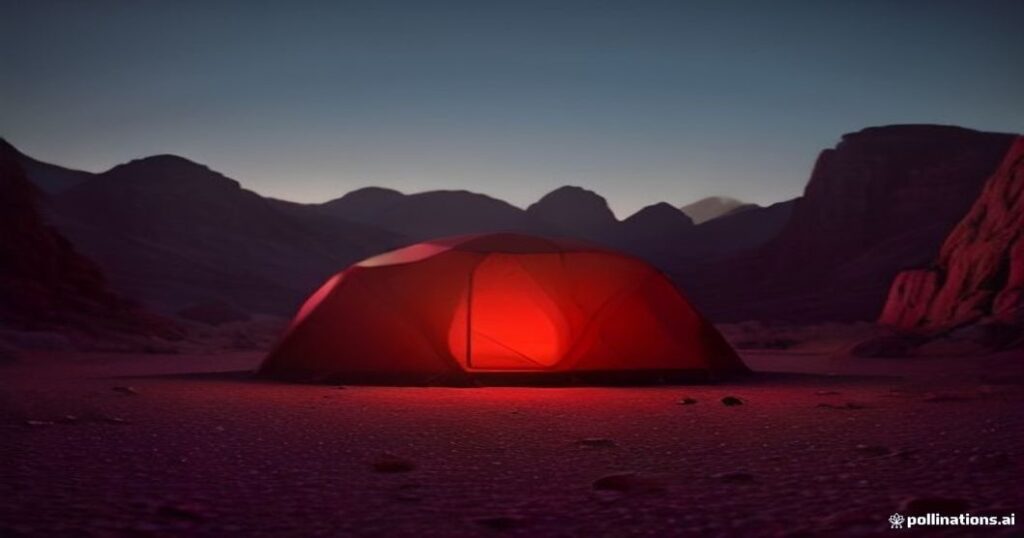
The wilderness isn’t quiet anymore. “Camping news” is surging across search engines as a perfect storm of satellite tech, EV overland integration, and a chaotic national park reservation crisis collides. Millions of people are ditching traditional analog tents for high-tech, off-grid mobile command centers, signaling a massive cultural shift in how we connect with nature.
The line between roughing it and living in a luxury sci-fi bunker has officially vanished. From Starlink-enabled remote work stations under the canopy to high-voltage electric trucks powering entire campsites, the outdoor recreation industry is undergoing a digital revolution that has both purists and tech enthusiasts locked in fierce debate.
1. The Rise of the Smart Campsite
The Architecture: Today’s state-of-the-art campsite is anchored by ultra-portable satellite systems like the Starlink Mini, high-capacity lithium-ion solar generators, and smart, climate-controlled geodesic shelters. Campers are now deploying mesh Wi-Fi networks in deep wilderness, allowing for seamless 4K video editing and remote corporate Zoom calls from the absolute middle of nowhere.
The Price/Release: High-end portable power stations now range from $1,200 to $4,500, while off-grid satellite communication hardware starts at $599 with active monthly subscription fees averaging $150.
2. The EV Overlanding Takeover
The Architecture: Automotive giants are redesigning the camping experience from the chassis up. Electric vehicles like the Rivian R1T and Tesla Cybertruck feature dedicated “Camp Modes” that auto-level the vehicle’s suspension on uneven ground, run climate control overnight in cabin tents, and route massive battery reserves to integrated induction cooktops and exterior lighting rigs.
The Price/Release: Factory-installed overlanding packages and gear tunnels add $3,000 to $8,500 to the base price of premium $70,000+ electric utility vehicles, with software updates rolling out over-the-air to optimize battery efficiency while parked.
3. The National Parks Reservation Lock
The Architecture: Getting a campsite has become an algorithmic warzone. Automated bot networks are actively scraping federal reservation portals like Recreation.gov, securing prime spots in Yosemite, Zion, and Yellowstone within milliseconds of release, leaving human campers locked out of public lands and driving massive demand for private booking alternatives like Hipcamp.
The Price/Release: While standard federal campsite permits range from $15 to $40 per night, premium automated bot subscription services charge users $5 to $15 per alert just for a real-time notification when a spot cancels.
| Tech Platform / Gear | Primary Purpose | Key Specification | Estimated Cost |
|---|---|---|---|
| Starlink Mini | Off-grid satellite internet | 100+ Mbps download speed | $599 hardware / $150 monthly |
| EcoFlow Delta Pro 3 | Portable whole-camp power | 4000W continuous output | $3,699 |
| Rivian Camp Mode | Automated overland comfort | Auto-leveling & HVAC routing | Standard in vehicle firmware |
| Campnab / Bot Alerts | Campsite booking tracking | Real-time SMS cancellations | $5 – $20/month |
🧠 Brain Check
Is high-tech glamping ruining the raw, spiritual essence of escaping into the wild, or is it a necessary technological evolution that makes nature accessible to a brand-new generation of travelers?