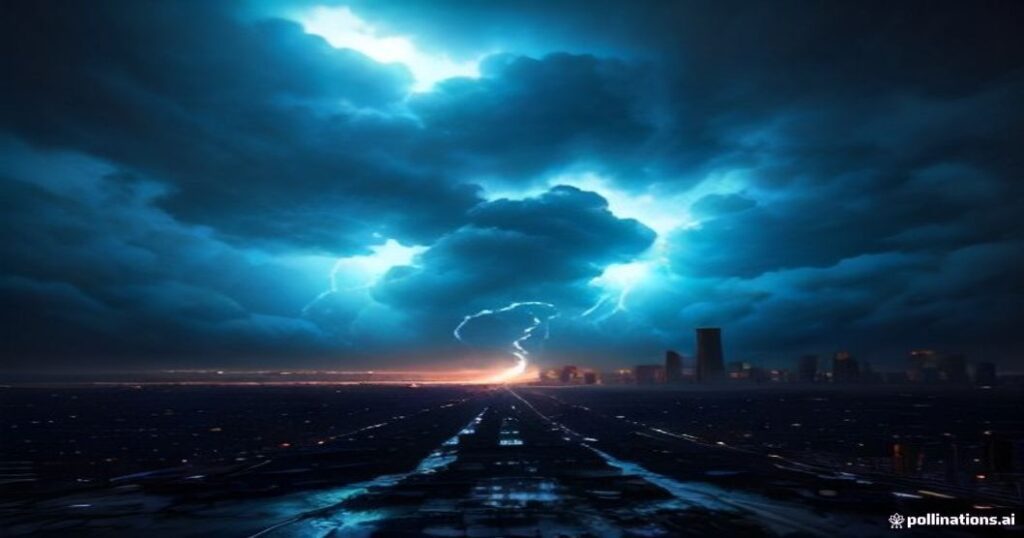
Millions of users are slamming their keyboards to check the “weather today” not out of casual curiosity, but out of sheer survival. A massive atmospheric anomaly—combining a rapid polar vortex split with an unprecedented bomb cyclone—is actively paralyzing key economic hubs, sending energy grids into emergency status, and threatening global supply chains.
This isn’t just about packing an umbrella; it’s a high-stakes stress test of our modern infrastructure. From natural gas spikes to complete travel shutdowns, the sudden climate disruption has transformed local forecasts into a volatile market catalyst that everyone is watching in real time.
1. The Energy Grid Under Siege
The Catalyst: The sudden drop in temperatures across major metropolitan sectors has pushed regional power grids to their absolute limits, forcing emergency conservation orders.
The Numbers: Spot electricity prices have surged by over 300% in affected hubs, while heating demand has broken a five-year record within a 12-hour window.
2. Supply Chain and Logistics Freeze
The Catalyst: Severe icing and localized flash flooding have ground major logistical corridors, rail networks, and air freight hubs to a grinding halt.
The Numbers: Over 4,500 domestic flights have been preemptively canceled, translating to an estimated $1.2 billion disruption in immediate commerce and shipping delays.
3. Commodity and Agriculture Shockwaves
The Catalyst: Unseasonal hard freezes across agricultural belts are threatening winter crops, forcing commodities traders to aggressively reprice futures.
The Numbers: Wheat and cotton futures saw a rapid 4.2% spike in morning trading sessions as hedge funds hedge against catastrophic yield losses.
| Sector Impacted | Current Status/Metric | Estimated Economic Shock |
|---|---|---|
| Energy Grid | 300% Spot Price Surge | $450M Grid Strain |
| Aviation / Cargo | 4,500+ Flights Canceled | $1.2B Logistics Loss |
| Agriculture Futures | +4.2% Crop Price Spike | Long-term Supply Deficit |
🧠 Brain Check
Are our municipal grids and supply chains dangerously underprepared for rapid-onset weather anomalies, or is the market overreacting to temporary climate shifts? Drop your thoughts below.