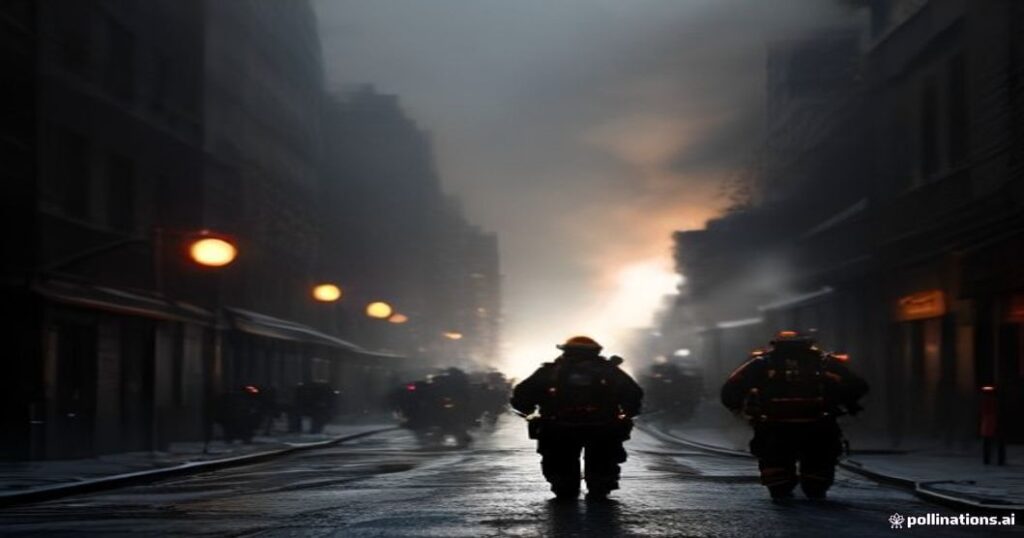
New York City is facing an invisible, highly volatile enemy, and the Fire Department of the City of New York (FDNY) is on the absolute frontlines of a modern urban war. Search traffic for “FDNY” is spiking globally as the department deploys unprecedented tactical maneuvers to combat a terrifying surge in lithium-ion battery explosions. What used to be routine structural calls have transformed into high-stakes chemical hazard operations, capturing the attention of metropolitan centers worldwide.
This is not just a localized firefighting crisis; it is a massive systemic failure at the intersection of consumer technology, gig-economy labor, and municipal regulation. As cheap, uncertified batteries flood the micro-mobility market to power the city\’s army of delivery riders, the FDNY is forced to pioneer a brand-new playbook for 21st-century emergency response.
1. The Thermal Runaway Nightmare
The Architecture: Unlike traditional electrical fires, lithium-ion battery failures trigger a phenomenon known as “thermal runaway.” When cheap, damaged, or overcharged cells fail, they enter an unstoppable self-heating loop, generating their own oxygen and burning at temperatures exceeding 1,000 degrees Fahrenheit. These incidents do not smolder; they explode with bomb-like force, emitting toxic, flammable gases that can engulf an apartment in under thirty seconds.
The Price/Release: The crisis is fueled by a massive influx of unregulated, off-brand, and refurbished batteries. While a safety-certified, UL-listed e-bike battery can cost upwards of $500, uncertified black-market alternatives retail for under $150. For NYC\’s estimated 65,000 app-based delivery workers earning sub-minimum wages, this price gap is a matter of survival, launching ticking chemical time bombs into high-density housing blocks.
2. Tactical Redesign of the Frontline Response
The Architecture: Standard water-hose lines are often insufficient for lithium-ion blazes, prompting the FDNY to re-engineer their entire tactical approach. Specialized hazard units are now deploying heavy-duty fire-suppression blankets to smother the thermal reaction, alongside custom steel containment bags and specialized submersion baths designed to keep compromised battery packs underwater for up to 24 hours to prevent re-ignition.
The Price/Release: Outfitting New York\’s massive firefighting apparatus is costing millions of dollars in unbudgeted emergency spending. Every engine and ladder company is requiring rapid-response training and specialized chemical fire kits, shifting the municipal tax burden directly onto NYC taxpayers while delivery platforms escape immediate financial liability.
3. The Federal and Local Regulatory Showdown
The Architecture: Frustrated by federal inaction, the FDNY and local lawmakers have established historic municipal legislation. Local Law 39 officially banned the sale, lease, or rental of e-bikes and batteries that do not meet strict UL safety certifications. The FDNY is also conducting aggressive, unannounced inspections of e-bike repair shops, shutting down hazardous charging operations across all five boroughs.
The Price/Release: Retailers caught selling uncertified batteries face fines starting at $1,000 per violation, threatening to disrupt a multi-million dollar micro-mobility market. Tech platforms and safety advocates are locked in a legislative standoff over who should subsidize the transition to safe charging infrastructure—the gig platforms, the city, or the delivery workers themselves.
The Rising Heat: FDNY Battery Incident Statistics
The scale of this crisis is laid bare by the staggering trajectory of lithium-ion battery incidents investigated by the FDNY over recent years:
| Year | Battery Fire Investigations | Injuries | Fatalities |
|---|---|---|---|
| 2020 | 44 | 23 | 0 |
| 2021 | 104 | 79 | 4 |
| 2022 | 220 | 147 | 6 |
| 2023 | 268 | 150 | 18 |
🧠 Brain Check
Should multi-billion dollar delivery apps like DoorDash, UberEats, and Grubhub be held legally and financially liable for the safety and certification of the e-bikes used by their contractors, or is the safety of these devices strictly the responsibility of the individual riders and municipal regulators?